

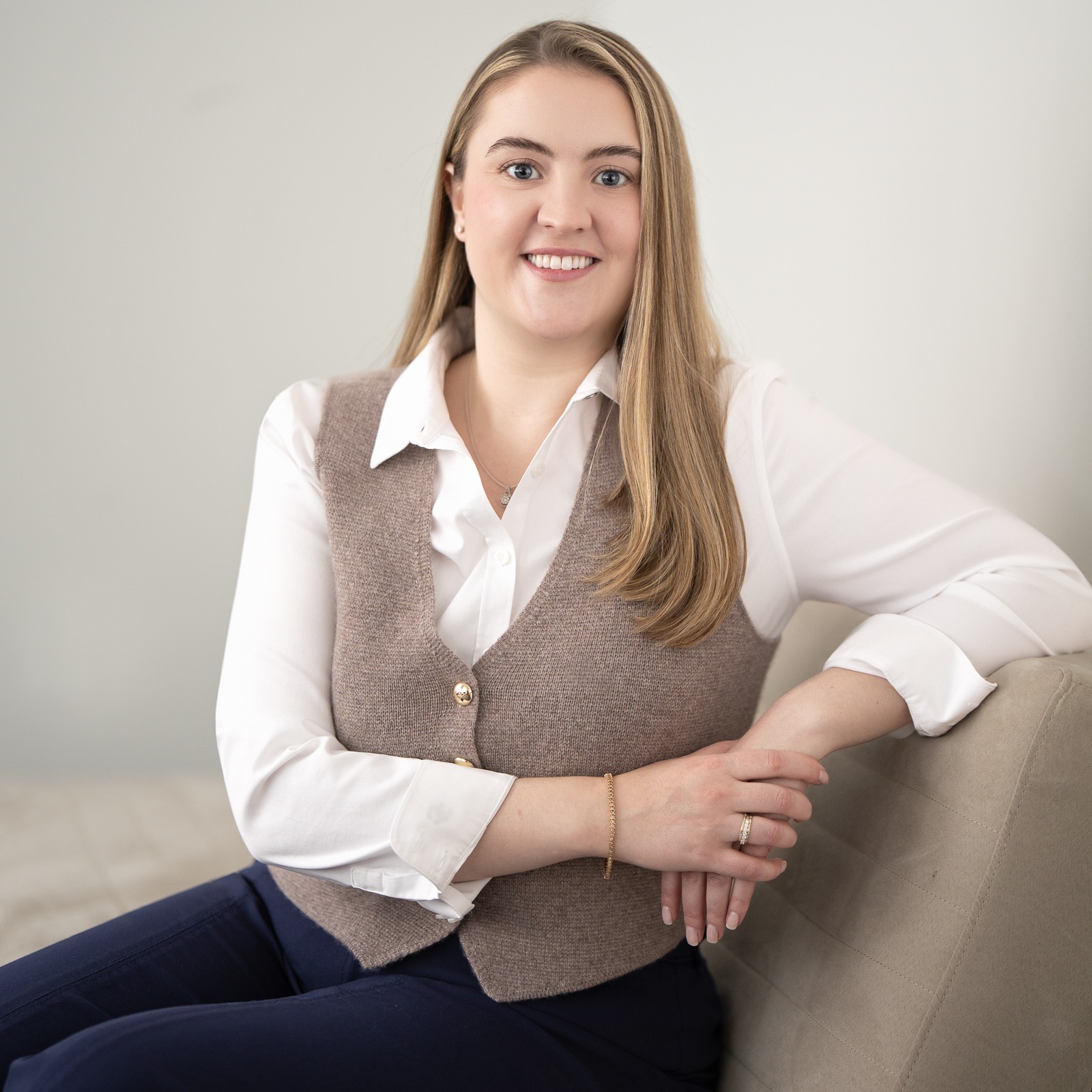
Shannon Hoey, FNP, PMHNP
Ask me about…
Ask me about my houseplants, what I’m baking lately, my current book obsession, or my cat’s latest antics
Clinical Interests:
ADHD, OCD, neurodivergence, anxiety and mood disorders, gender-affirming hormone therapy, as well as holistic and integrative approaches to mental health care
Language(s) spoken:
English
Licensed in:
Massachusetts and Vermont
I take time to understand my clients’ stories, goals, and lived experiences so we can work together to find treatment approaches that truly support their mental health. I provide psychiatric evaluation and medication management with a collaborative, client-centered approach. I work with individuals experiencing mood disorders such as depression and bipolar disorder, as well as anxiety-related conditions including OCD, panic disorder, and social anxiety. I am especially attentive to how stress, physical health, and life transitions can influence mental well-being, and I take time to understand each person’s unique experience. My approach emphasizes thoughtful, individualized treatment planning, clear communication, and shared decision-making. I am committed to providing affirming, respectful psychiatric care for individuals across diverse sexual orientations and gender identities, with the goal of finding treatment strategies that feel supportive, sustainable, and aligned with each client’s needs.
What brought you into this field?
In high school, I was trying to figure out what I wanted to do with the rest of my life — as one does at 17. Nursing sounded practical, stable, meaningful, and honestly, the four days off didn’t hurt either. Sign me up!
While looking into nursing schools, I discovered what a Nurse Practitioner was. At the time, NPs were not quite as widely known as they are now, but something about the role immediately clicked for me. It solidified my decision to pursue nursing, and I entered nursing school already knowing that one day I wanted to become an NP.
Several years into my nursing career, I had another realization: no matter what setting I worked in, mental health was always part of the picture. Patients were anxious before surgery, grieving new diagnoses, feeling overwhelmed, or simply needing someone to slow down and really listen. Some of the most meaningful moments in my career came from being present with people during those vulnerable moments.
Funny enough, I used to say I would never work in psychiatry. And yet, before I even finished my first master’s degree, I knew I wanted to go back for psychiatric training. Turns out, psychiatry found me anyway.
Clinical approach:
My counseling style is warm, collaborative, and practical. I want clients to feel genuinely heard and not judged. I also like helping people understand the “why” behind what they’re experiencing and walk away with tools they can actually use in daily life. My approach often blends supportive counseling, education, mindfulness, CBT-informed strategies, and realistic lifestyle changes.
Treatment approaches:
I often draw from supportive therapy, CBT, DBT skills, mindfulness, psychoeducation, and strengths-based approaches. In practice, that means helping clients make sense of what they are feeling, notice patterns that may be getting in the way, and develop tools that actually fit into their day-to-day life. My goal is to offer support that feels validating, practical, and realistic.
Specializations:
I work with teens, young adults, and adults through an individualized approach tailored to each client’s mental health needs. I provide an LGBTQ+ affirming and neurodivergent-accepting environment. Additionally, I specialize in gender-affirming hormone therapy.
I combine my medical background with evidence-based and integrative psychiatry. Integrative psychiatry takes a modern, whole-person approach to mental health care and may include holistic, lifestyle-based, and functional medicine-informed strategies when appropriate. This may involve exploring sleep, nutrition, stress, movement, nervous system regulation, and other factors that can impact emotional well-being.
I am especially passionate about neurodivergent burnout, identity-affirming care, ADHD and autism presentations in women and girls, and the connection between the nervous system, daily functioning, and emotional well-being.
Education:
MCPHS University — Bachelor of Science in Nursing, 2017
Simmons University — Master of Science in Nursing, Family Nurse Practitioner, 2022
Maryville University — Post-Master’s Certificate, Psychiatric-Mental Health Nurse Practitioner, 2025
Past Experience:
I have trained and worked across several leading medical systems in Massachusetts, including Mass General Brigham, Boston Medical Center, Lahey Hospital & Medical Center, Tufts Medical Center, and Boston Children’s Hospital.
My clinical background spans a wide range of medical settings and includes experience with LGBTQ+ affirming care, IV ketamine treatment for treatment-resistant depression, stellate ganglion blocks for PTSD, chronic pain, medical cannabis education, and integrative approaches to psychiatric care.
Trainings:
Women’s Wellness and Neurodiversity: Sexual Health, Hormones, ADHD, and Autism — The Elite NP
Gender Affirming Care: Providing Hormone Therapy — The George Washington University School of Medicine and Health Sciences
Queering Identities: LGBTQ+ Sexuality and Gender Identity — University of Colorado
The Foundational Functional Medicine Course — The Elite NP
Basic and Advanced Blood Labs: A Functional Approach for Family Medicine — Led by Chris Magryta, MD, and Erik Lundquist, MD
The Hormonal Matrix: Examining the Interconnections of Reproductive, Adrenal, and Thyroid Hormones — led by Cheryl Burdette, ND
The Gut-Brain-Mood Connection: How Probiotics Support Women’s Mental Well-Being — led by Malisa Carullo, MSc, ND
Nutrition for Optimal Mental Health — National Academy of Sports Medicine
Mindfulness in Integrative Healthcare — University of Minnesota
Medical Cannabis: The Health Effects of THC and CBD Specialization — University of Colorado Boulder
Elevating Outcomes Through Whole Person Care — Led by Rob Downey, MD, IFMCP, and Eric Viegas, ND
Preventing Chronic Pain: A Human Systems Approach — University of Minnesota